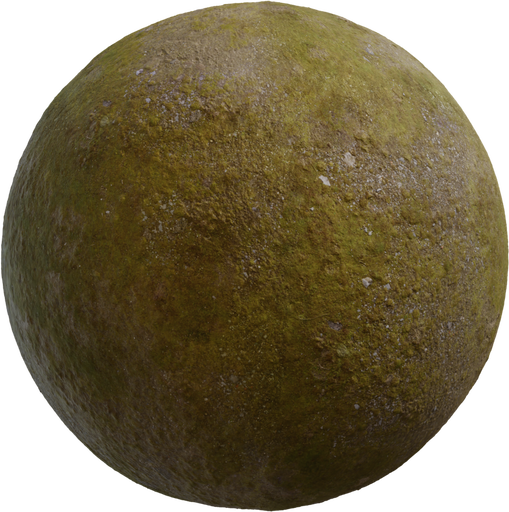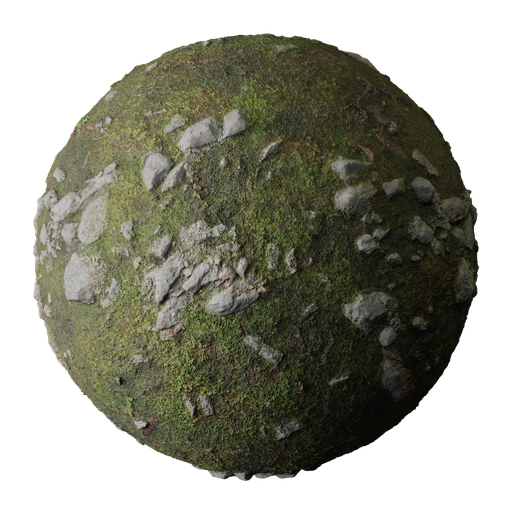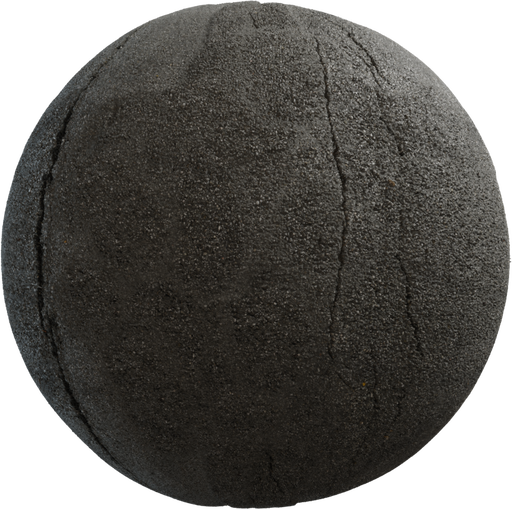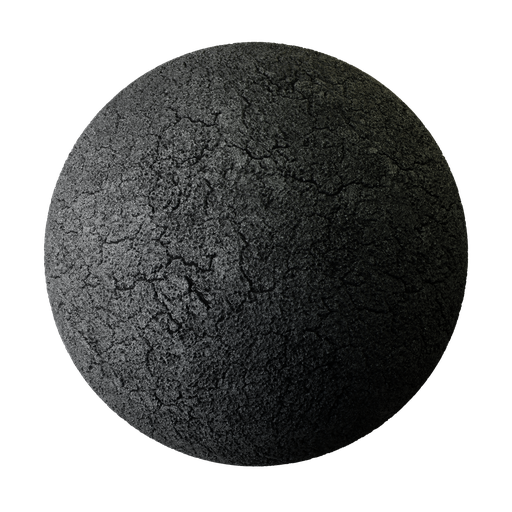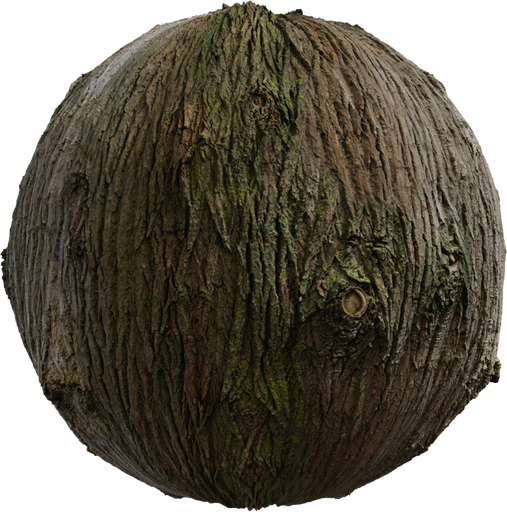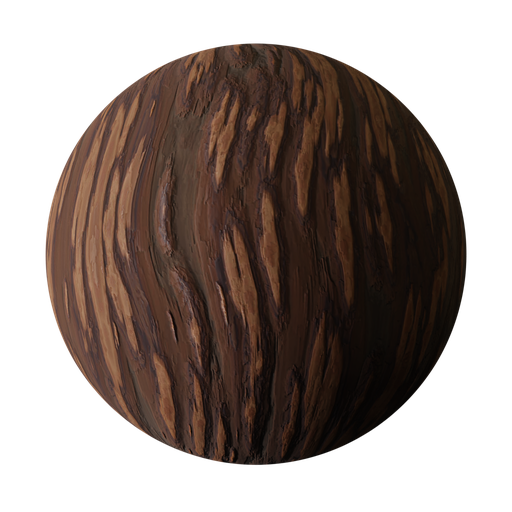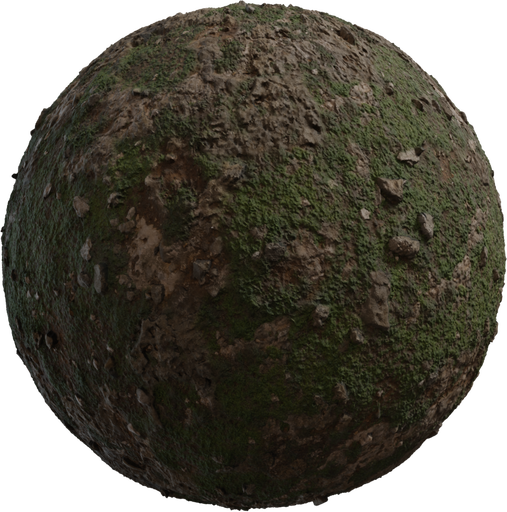
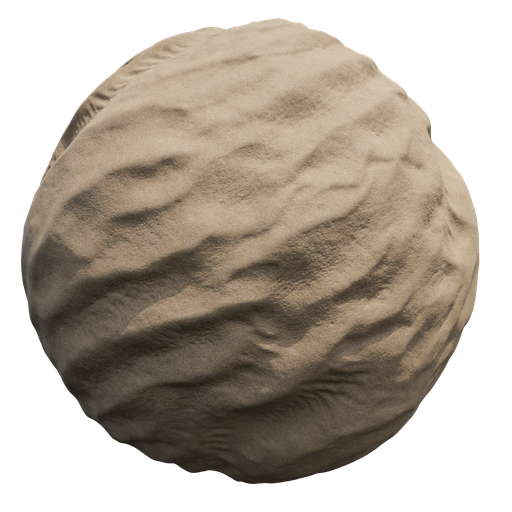


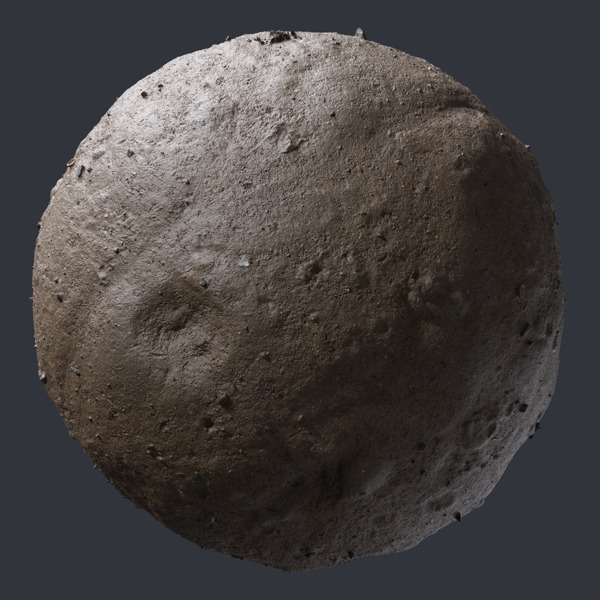
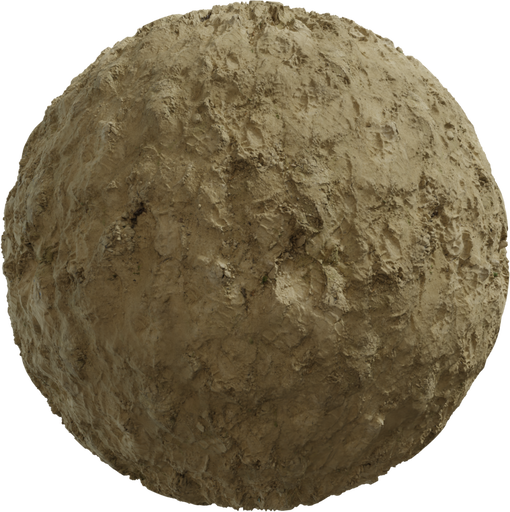
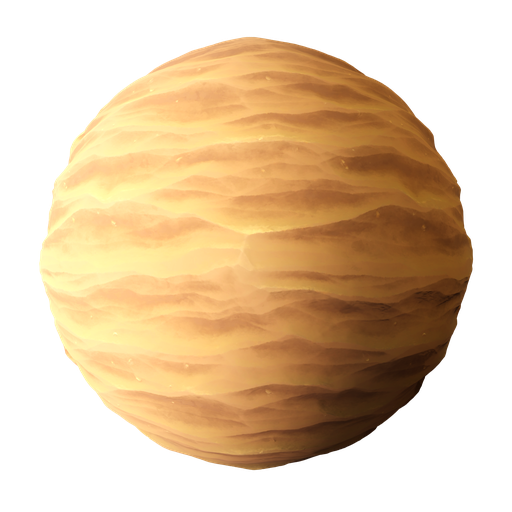


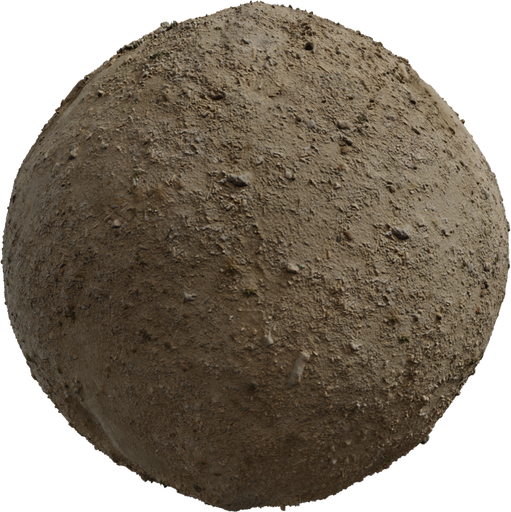


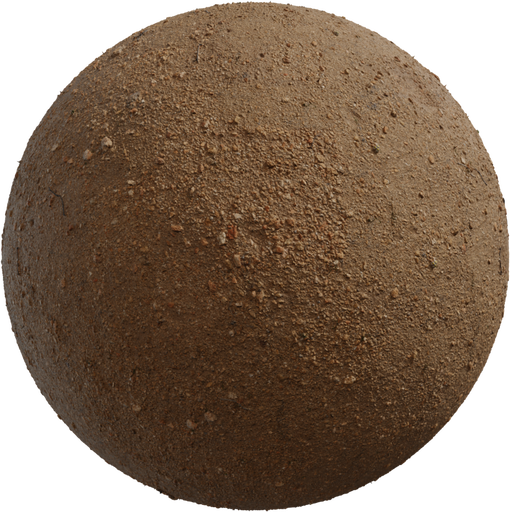
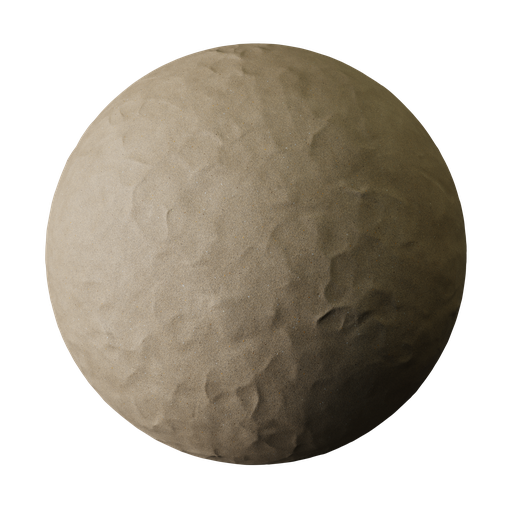


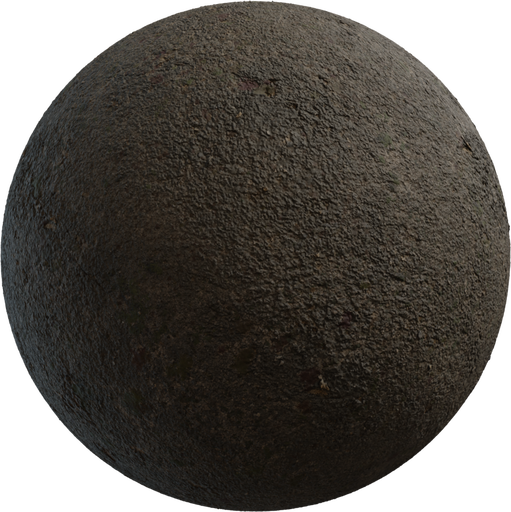
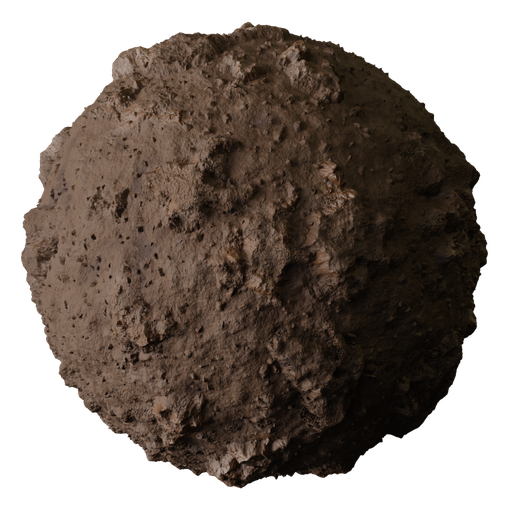


Sand and soil textures cover beaches, deserts, dirt paths, riverbanks, farmland and the ground under almost any outdoor scene. They are the base layer for terrain, and a good one has fine grain, soft ripples and slight colour variation rather than a flat tan.
The materials on this page come from several texture sites searched at once, refreshed automatically. Each card shows its source and licence.
Choosing a ground material
- Scale. Sand grains are tiny, so check how much ground one tile covers. Terrain usually wants a material covering several metres per tile.
- Maps. Colour, normal and roughness are enough for most games. Displacement adds real depth for dunes and tracks in offline renders.
- Wet or dry. Wet sand is darker and glossier; look for it if your scene has a shoreline.
- Terrain blending. In Godot, Unity or Unreal, use several materials on a terrain and blend them by a splat map: sand to grass, grass to rock.
Pair these with the grass and rock collections to build a complete outdoor landscape.